“There is no life without water,” said Albert Szent-Gyorgyi, Nobel prize winning scientist, who discovered Vitamin C. Instinctively we know this to be true, but how often do we consider how wildlife survives in winter when water can be hard to access? Finding water can be a real challenge when temperatures plummet and ice seals away that precious resource.
Our bird life is severely under threat. Estimates state that around 73 million birds have disappeared since the 1970s – a catastrophic decline due to loss of habitat, reduction in the numbers of insects, climate change and pesticide use. 1 in 6 species of bird is threatened with extinction, and new government data shows that 48% of bird species have further declined in the 5 years up to 2020. They really need our help, and providing water is one way we can assist.
Flying to search for water takes energy – essential energy that is needed to keep the body warm. Energy comes from food, which is also far harder to find in winter. If a bird is able to access water easily in our gardens, little energy will be lost in the search, so this will help it to survive.
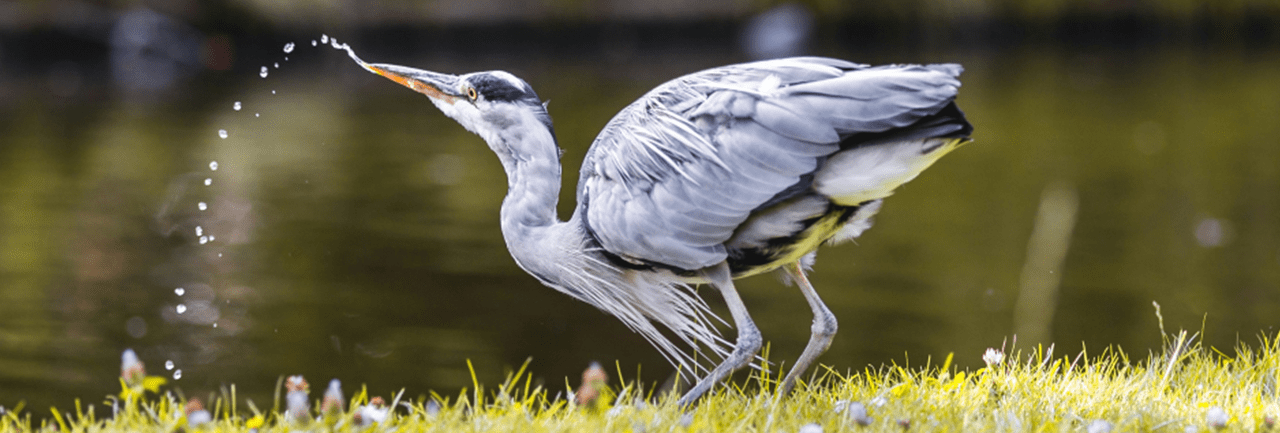
Birds need water to both drink and bathe. Bathing helps with preening, a vital self-care activity that ensures the health of the bird. Birds preen their feathers using their beak or sometimes claws, and will spend 20%-30% of their day in this essential activity. They use water to moisten and remove any dirt or parasites first, then water helps in spreading a special oil from the preen gland along the feathers. In this way feathers are kept supple and perfectly aligned to maintain good aerodynamics, insulation and waterproofing.
Birds may need to drink several times a day, depending on size and species. A small bird can become dehydrated very quickly as they have a high metabolic rate and lose water faster than larger birds. Berry and insect eaters will get a fair bit of their water needs from their food, but seed eaters will get less.
To provide water, use a shallow container with low sides, and top up daily with fresh water. A plant pot saucer is an ideal choice; terracotta will provide a particularly stable base. Such containers will allow birds to both bathe and drink. Place a few stones in the dish so the bird can stand on these and remain dry.
Always remember that water bowls should be regularly scrubbed and cleaned to reduce any risk of disease, but don’t use chemicals as many will be toxic to birds. Use gloves and always wash your hands after cleaning out the bowl.
Ease the winter struggle for our birds by providing an absolute basic – water.
Kate Southworth