
We talk to our pets constantly, but how much do they actually understand? Science suggests more than we once thought, though not always in the way we imagine. Most pets don’t process language as humans do, but they are highly skilled at reading patterns: tone, timing, routine and emotional cues. Understanding this can transform how we interact with them.
Dogs don’t understand language as sentences, but many breeds will recognise upwards of 200 words, with some exceptional cases exceeding that. More importantly, they read tone, body posture and facial expression with remarkable accuracy. Dogs often respond faster to emotion than instruction, which is why they may ignore a command delivered flatly, but react instantly to excitement or tension. Keep verbal commands short and consistent, but pair them with clear body language and calm confidence. Dogs learn best through repetition, praise and predictable routines, which all help them build a reliable picture of the world.
Cats recognise their names, even when they pretend not to. Research shows they distinguish familiar human voices from strangers and can associate tone with intent. What they don’t do is prioritise obedience. Cats understand far more than they comply. Speak softly, avoid sudden movements, and let the cat initiate contact. Respecting boundaries builds trust, which makes cats more responsive and engaged over time.
Rabbits recognise routines and individual humans, responding to voice cadence rather than specific words. They associate certain sounds with safety or threat and are highly sensitive to environment changes. Maintain calm, predictable handling and sit at floor level when possible. Consistency and gentle vocal cues help rabbits feel secure and confident.
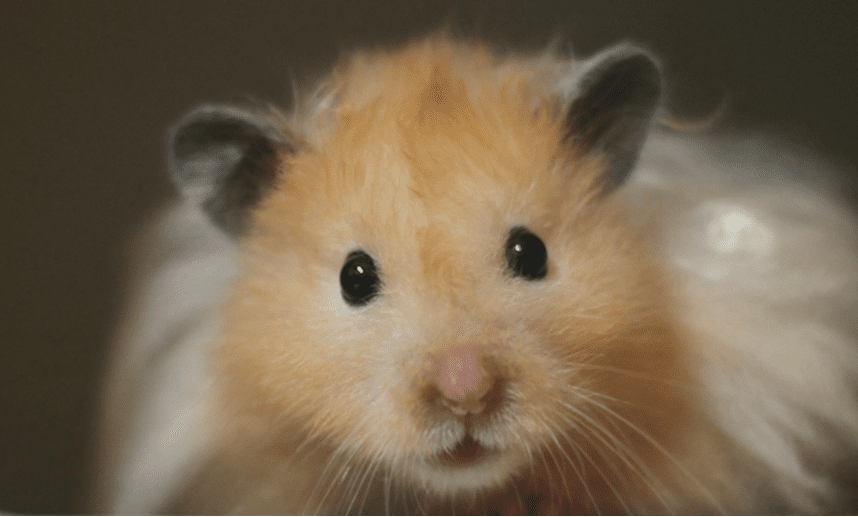
Hamsters, while not social in the human sense, recognise scent patterns and distinguish familiar handling from unfamiliar touch. Voice tone matters far less than smell, timing and gentleness. Handle at the same time each day, wash hands beforehand, and move slowly. Familiar scent and routine reduce stress and improve tolerance.
Guinea Pigs are highly vocal animals and recognise feeding sounds, routines and specific human voices. Many develop different responses to individual household members. Talk to them during feeding and cleaning times. Verbal consistency paired with routine strengthens recognition and reduces anxiety.
Birds are in a category of their own. Many understand context, mimic speech meaningfully and recognise emotional states. Some species can problem-solve at levels comparable to young children. Engage frequently, vary stimulation, and talk directly to them. Mental enrichment is as important as physical care.