
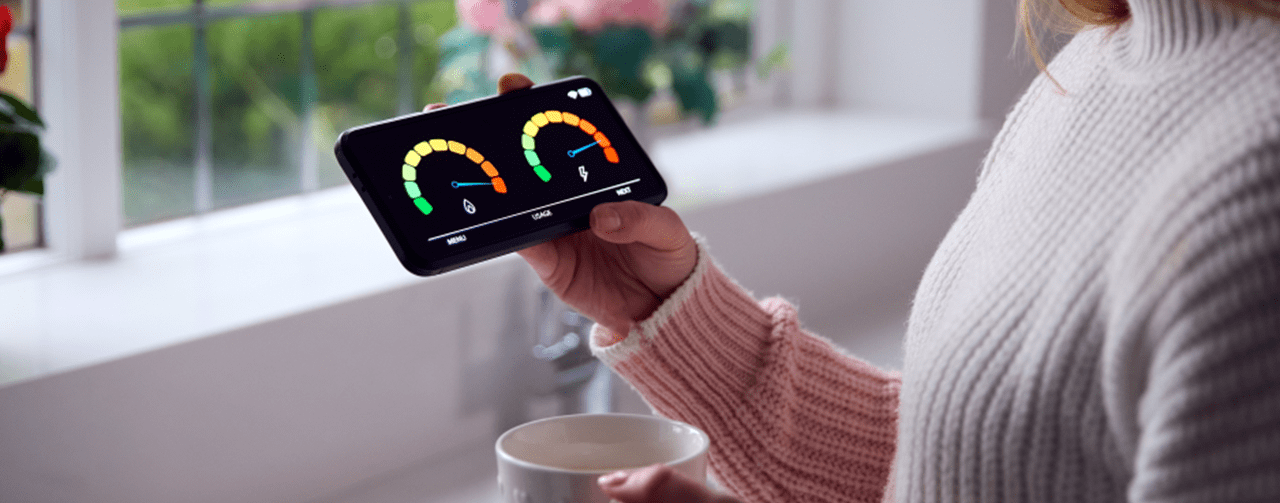
Nearly two-thirds of UK households now have smart meters, with the government aiming for 75% adoption soon. As installation expands, many still question whether they genuinely reduce costs or simply reflect effective marketing.
Smart meters replace traditional gas and electricity meters by automatically recording usage and sending readings to suppliers. For most households, they are an unobtrusive addition, often displayed as a small screen in the kitchen.
Their main advantage is visibility. Users can track energy consumption in real time, sometimes down to hourly use, alongside estimated costs. This offers far greater clarity than estimated or quarterly bills, helping households connect daily habits – like heating use or leaving appliances on – to spending. This awareness can encourage more conscious energy use.
Automation is another benefit. With readings sent digitally, manual submissions and estimated bills are largely eliminated, reducing billing errors and unexpected charges. Additionally, unusual spikes in energy use can signal faulty appliances or wiring issues, allowing earlier intervention.
Evidence suggests that this combination of insight and convenience can lead to modest savings, typically between 5% and 20%, as households adjust their behaviour.
However, smart meters are not without limitations. They depend on mobile networks, and in areas with weak signal—particularly rural locations—data transmission can be unreliable. This undermines their effectiveness and may result in continued billing issues.
Switching energy suppliers can also pose challenges. While the market allows easy switching, not all smart meters function seamlessly across providers, which can restrict access to competitive tariffs.
For some users, the detailed data can feel overwhelming. While basic cost information is clear, more technical readings may cause confusion or anxiety, especially for vulnerable individuals who might reduce essential energy use unnecessarily.
Renters face further obstacles, as installation often requires landlord approval, limiting access for many tenants.
Smart meters offer clear potential to improve energy awareness and reduce costs, but their effectiveness depends on reliable connectivity, user understanding and a flexible energy market.