
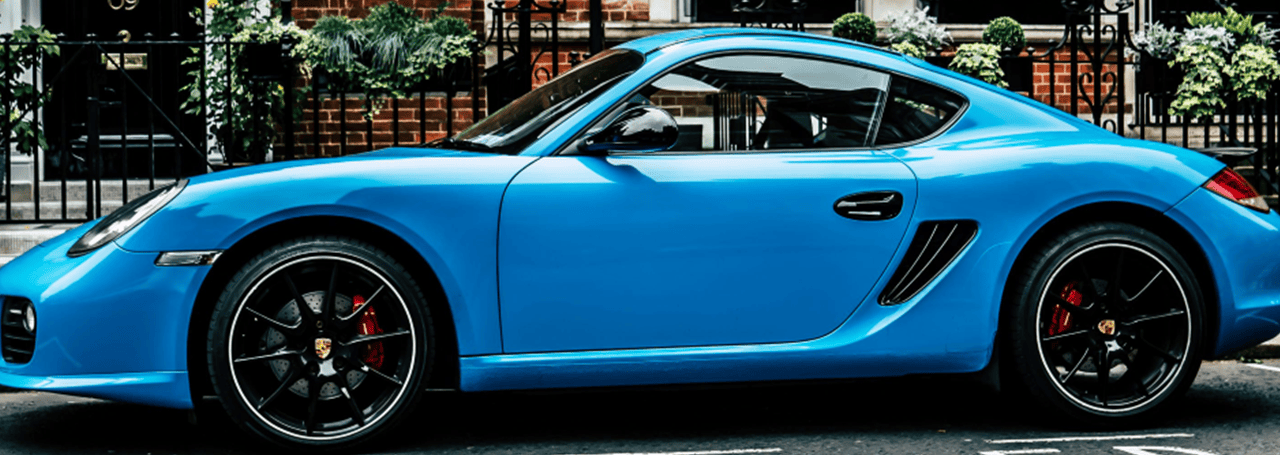
For generations, car ownership has been a cornerstone of British life. So often it’s been a symbol of independence, convenience and identity. Yet that model is beginning to shift. Across towns and cities, a growing number of drivers are asking if they actually need to own a car anymore.
The answer, increasingly, is no – or at least not in the way we once did. At the most flexible end of the scale sit services like Enterprise Car Club, where vehicles can be booked by the hour and collected from designated local bays. For occasional drivers, it offers access to a car without the cost or commitment of keeping one. Insurance, fuel and maintenance are typically included, and the experience is managed through an app.
Step up from that, and you find the emerging world of car subscriptions, often described as the ‘Netflix model’ of motoring. Instead of buying or financing a vehicle, drivers pay a monthly fee that bundles together the car, insurance, servicing and breakdown cover.
National providers such as Onto and Care by Volvo have helped bring the concept into the mainstream, particularly in the electric vehicle market, but there are now local providers offering this service.
The appeal is clear – there is no long-term contract, no concern over depreciation, and in many cases the option to swap vehicles depending on lifestyle. A driver might choose a compact city car one month, then switch to a larger model for a family holiday. It is a level of flexibility that traditional ownership simply cannot match.
Of course, that flexibility comes at a cost. Monthly subscription fees are typically higher than standard finance deals, and mileage limits can apply. For high-mileage drivers or those seeking the lowest possible cost, ownership (whether outright or via PCP) still makes the most financial sense.
However, the equation is no longer purely financial. Convenience, certainty and adaptability are becoming just as important as price. With insurance premiums rising, maintenance costs unpredictable, and urban parking increasingly scarce, the traditional burdens of ownership are harder to justify.
What we are seeing is not the end of car ownership, but the expansion of choice. Drivers are beginning to mix models depending on their needs, using car clubs for short trips, subscriptions for medium-term flexibility, and ownership only if necessary.
In short, we haven’t fallen out of love with cars (far from it!); we’ve simply started to question whether we need to own them at all.