
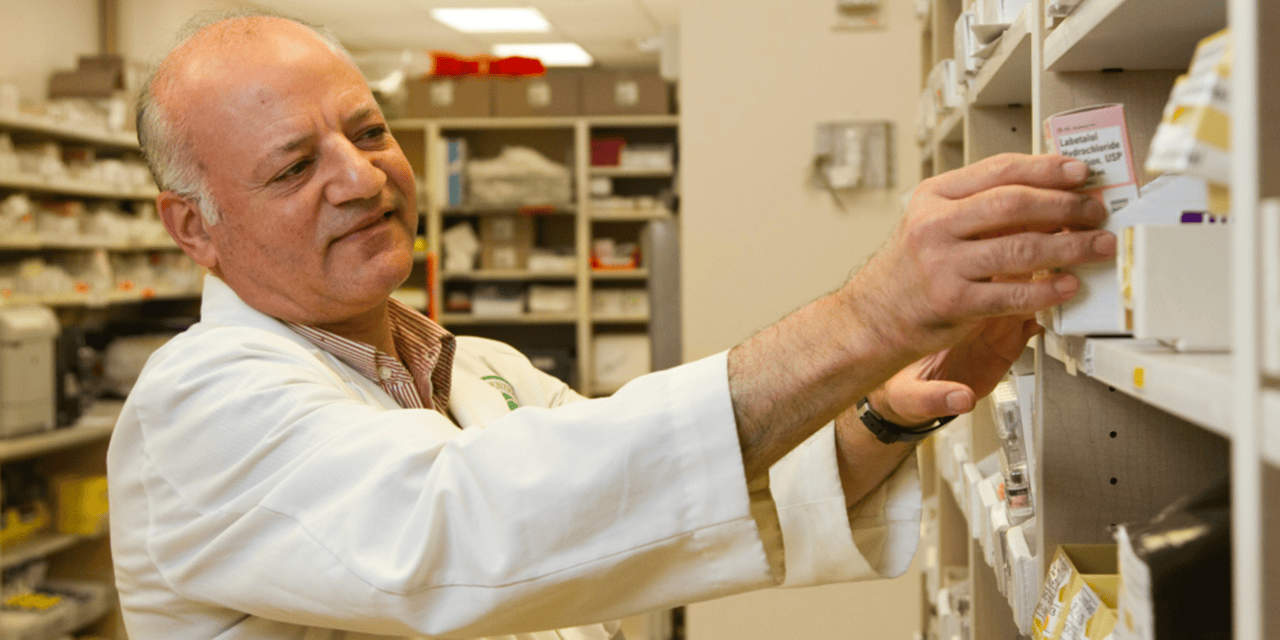
For over two hundred years, pharmacies served as apothecaries dispensing medicines, but over the past decade things have changed. Since the introduction of electronic prescriptions in 2019, which led to a much faster, efficient and safer service, and the onset of COVID-19 when many people turned to their local pharmacy as a trusted and accessible healthcare provider, the modern pharmacy has become the first port of call for many in the communities they serve.
Offering free expert advice and drop-in services, local pharmacies provide preventative and specialised care as well as dispense medicines. The use of modern technology has freed up pharmacists, allowing them to spend more time with their patients and offer better patient care.
Pharmacies offer various healthcare services including:
Chronic Disease Management – highly qualified and well trained modern pharmacists are able to assist patients in managing conditions like hypertension and diabetes plus many others.
Vaccinations – Pharmacists can provide immunisations for diseases such as influenza, pneumonia, and COVID-19. Often this is offered as a convenient, drop-in service.
Health screenings – Many modern pharmacies have high tech modern equipment and are able to conduct screenings for conditions like cholesterol levels and high blood pressure.
Patient counselling – Many pharmacists have undertaken extra training and are able to offer advice on lifestyle changes to support better health and medication management.
Trusted pharmacies have been at the heart of local healthcare provision for many years, playing a crucial role in community health. Pharmacies are often perfectly situated and able to be the most convenient, accessible healthcare point for patients, and research indicates that individuals managing chronic conditions interact with their pharmacists more frequently than with their primary care providers.
The role of pharmacies is constantly evolving to meet the changing needs of their patients, and in the future pharmacies are expected to take on even more significant and accessible roles in local healthcare delivery.