Spring is just around the corner and whilst gardeners can’t afford to take their eyes off the winter weather, work needs to get underway in the flower garden and borders, in the vegetable plot and in the greenhouse.
Flowers
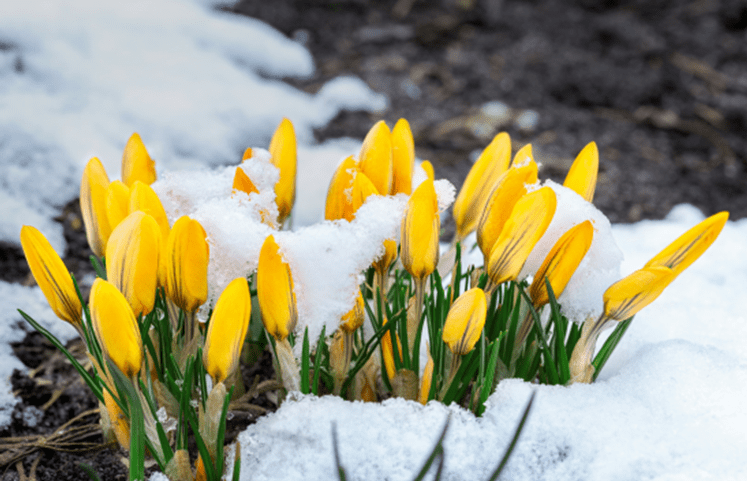
Most of the snowdrops should be dying back, making them perfect for splitting for an even better display next January, and whilst spring flowering bulbs are just appearing, this month is a good time to get one step ahead for next year. Buying early crocuses and primroses is a way to bring much needed instant colour into the garden and feed any early bumblebees that might appear.
Winter flowering shrubs such as winter jasmine and mahonia should be pruned after flowering. And, to encourage an early spring bloom, wisteria side shoots should be pruned to just three buds from the base.
Prepare/repair lawns
Lawns are just beginning to wake up from their winter slumber this month and so this is a good time to fill in any holes or indentations, or bare patches.
Vegetables
Weather permitting, February is a good month to plant Jerusalem artichokes for autumn harvest. Carefully select healthy tubers for planting. If they have more than one bud they can be cut into pieces. Prepare the soil well and consider that the plants can grow very tall. Tubers need to be planted around 10 to 15 cm deep and spaced around 30 to 45 cm apart. The rows will need to be kept around one and a half metres apart.
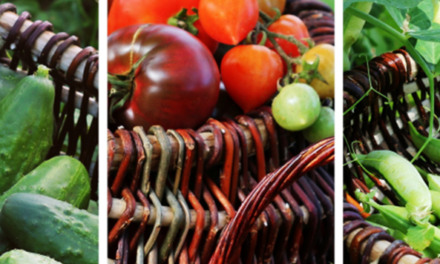
Most sowing will need to be inside or under glass this month, but you can still sow early tomatoes, chilli peppers, sweet peppers, and lettuces or salad leaves.
Build raised beds
Raised beds can be a useful addition to any garden, they look attractive and can transform a garden very quickly and they are often easier for people who have mobility issues. There are many options for what kind of raised bed you have, with wood being the most popular (if the timber has not been treated with anything that may leach into the soil and into the fruit or vegetables you are growing). You could use materials that you already have, or buy a specialist kit, or you could hire a professional to build something bespoke.
Raised beds can make managing your plot and weeding easier, but the downside is that you will have to invest in growing materials that do not dry out too quickly as raised beds tend to need more irrigation.